Regenerative Land Asset Examples UK: Project Chester

Example Current Regeneration Projects

Our projects clearly show how underutilised land can be transformed into a multi-dimensional asset, delivering measurable environmental uplift alongside credible long-term financial returns.

Projects in Partnership

Chrysalis works in partnership with, or through acquisition, as the landowner. We use local partners for delivery to ensure that full nature and social value is created.
West Dartmoor

West Dartmoor

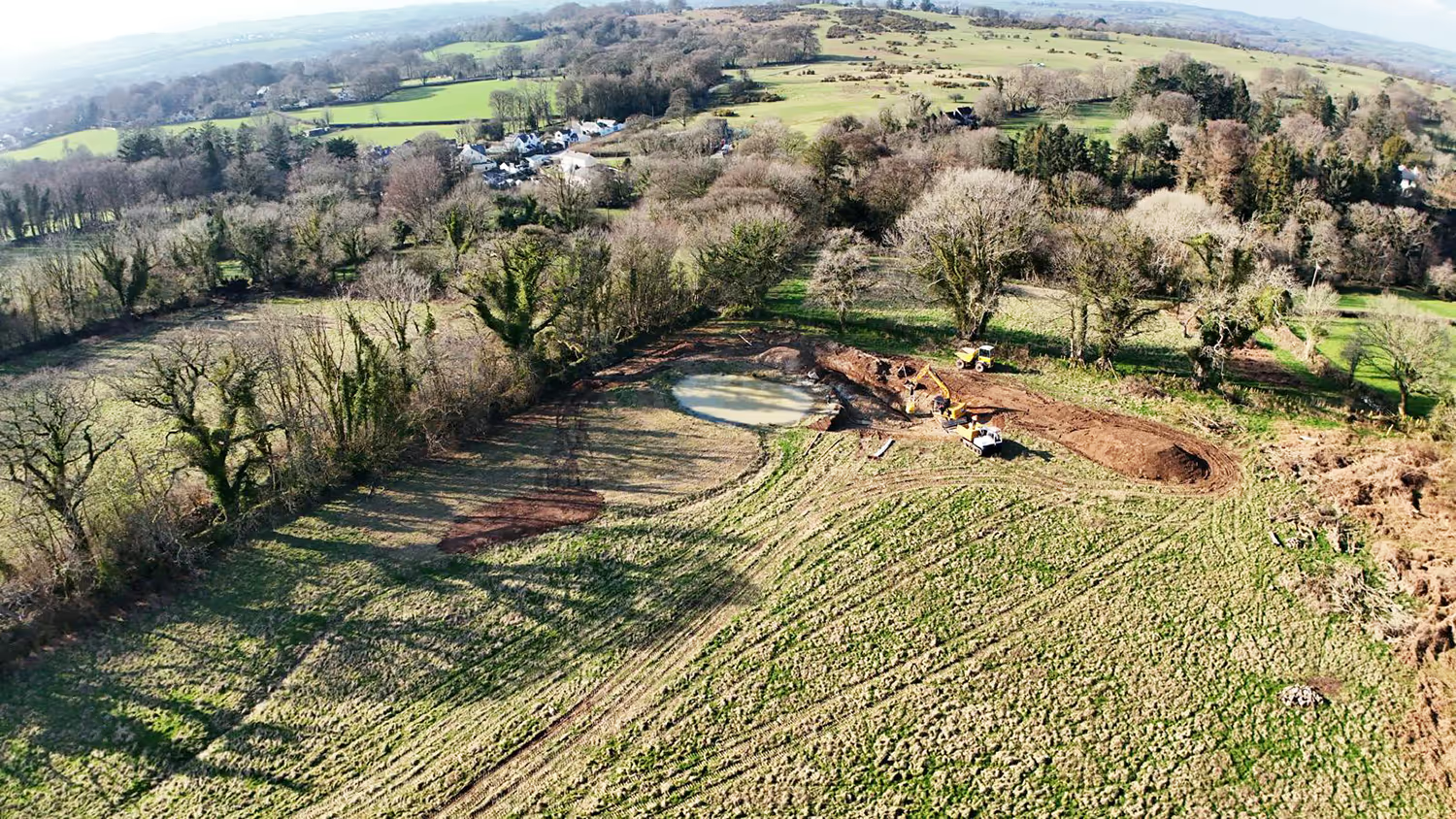
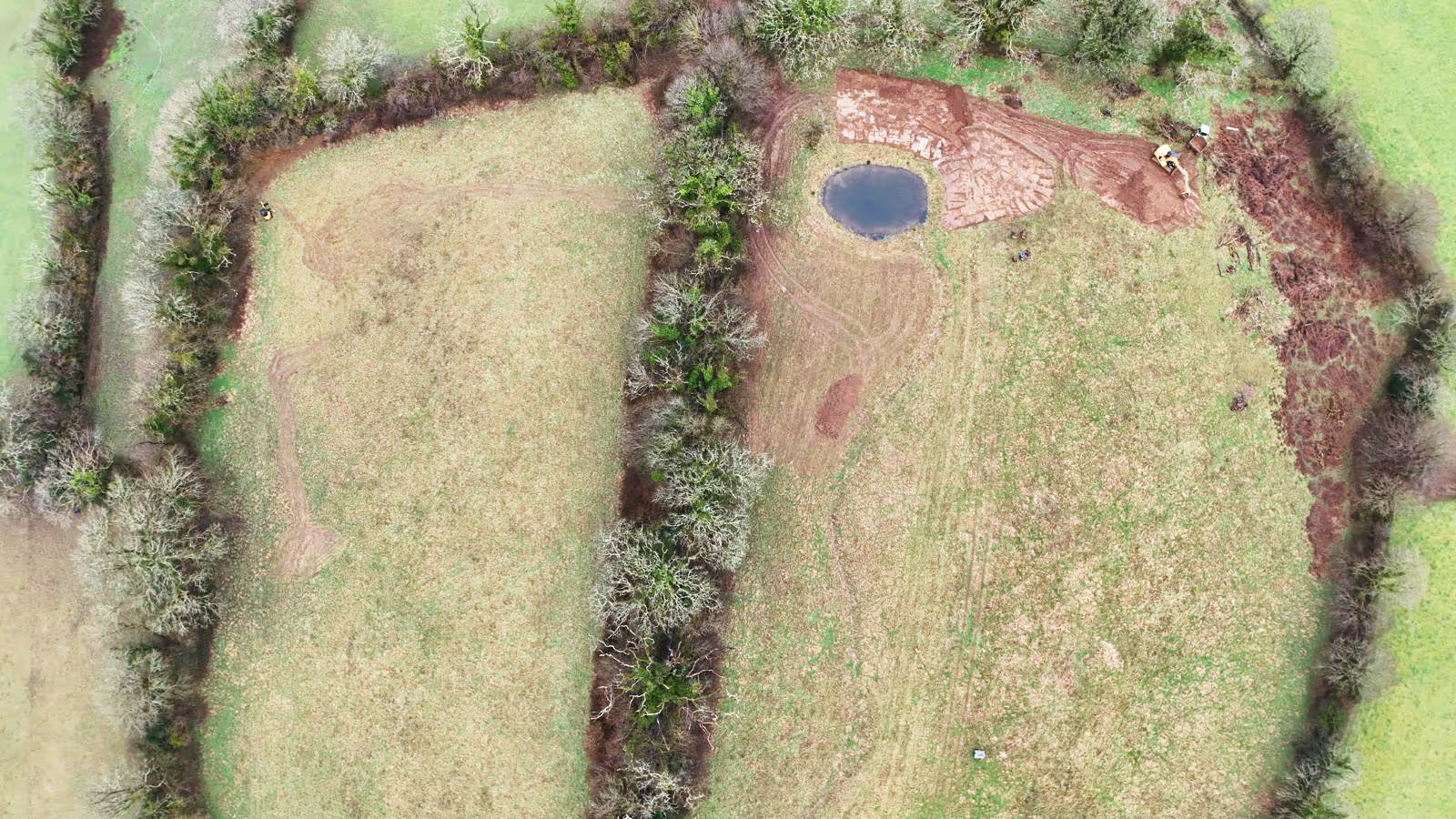
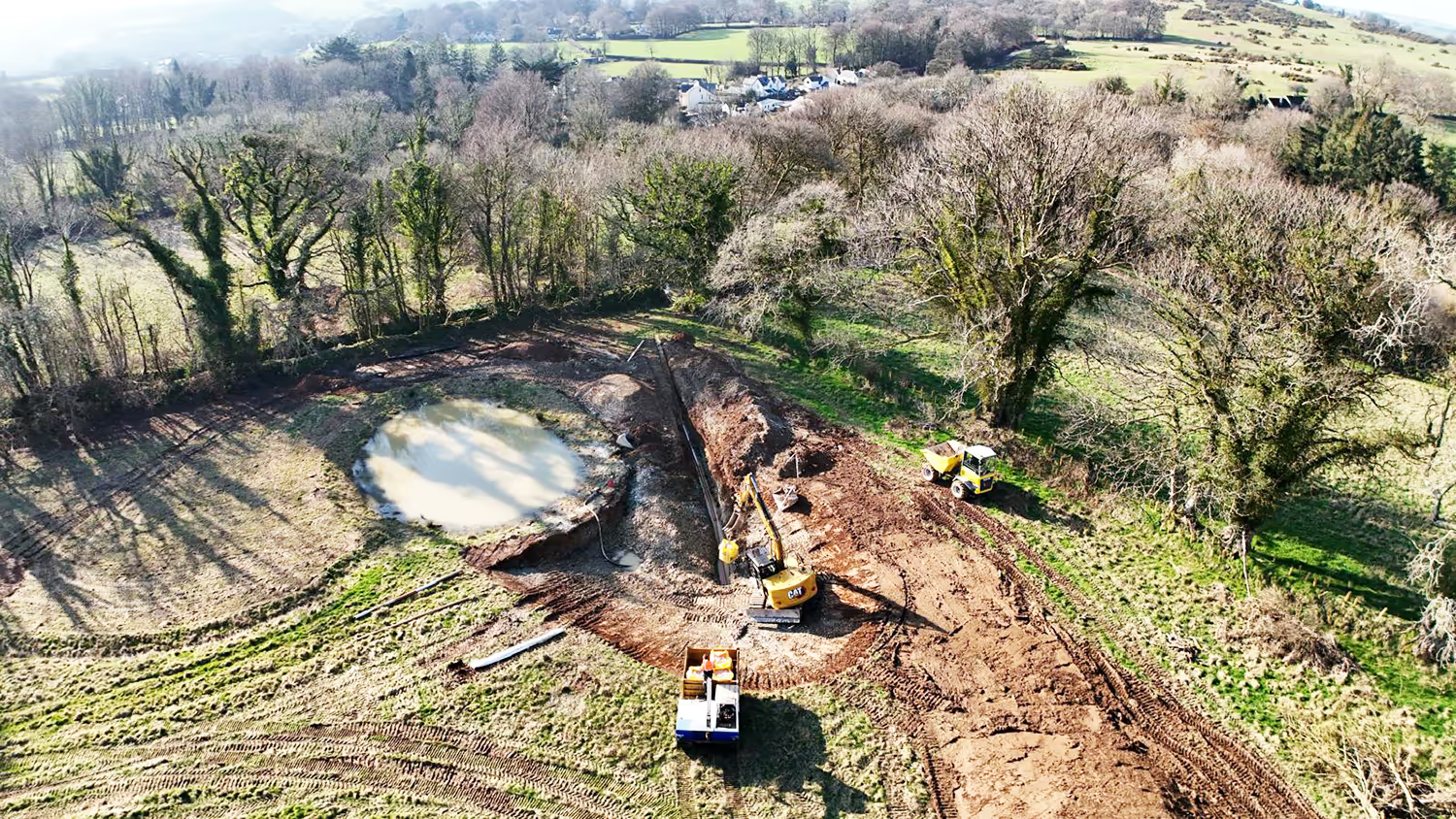
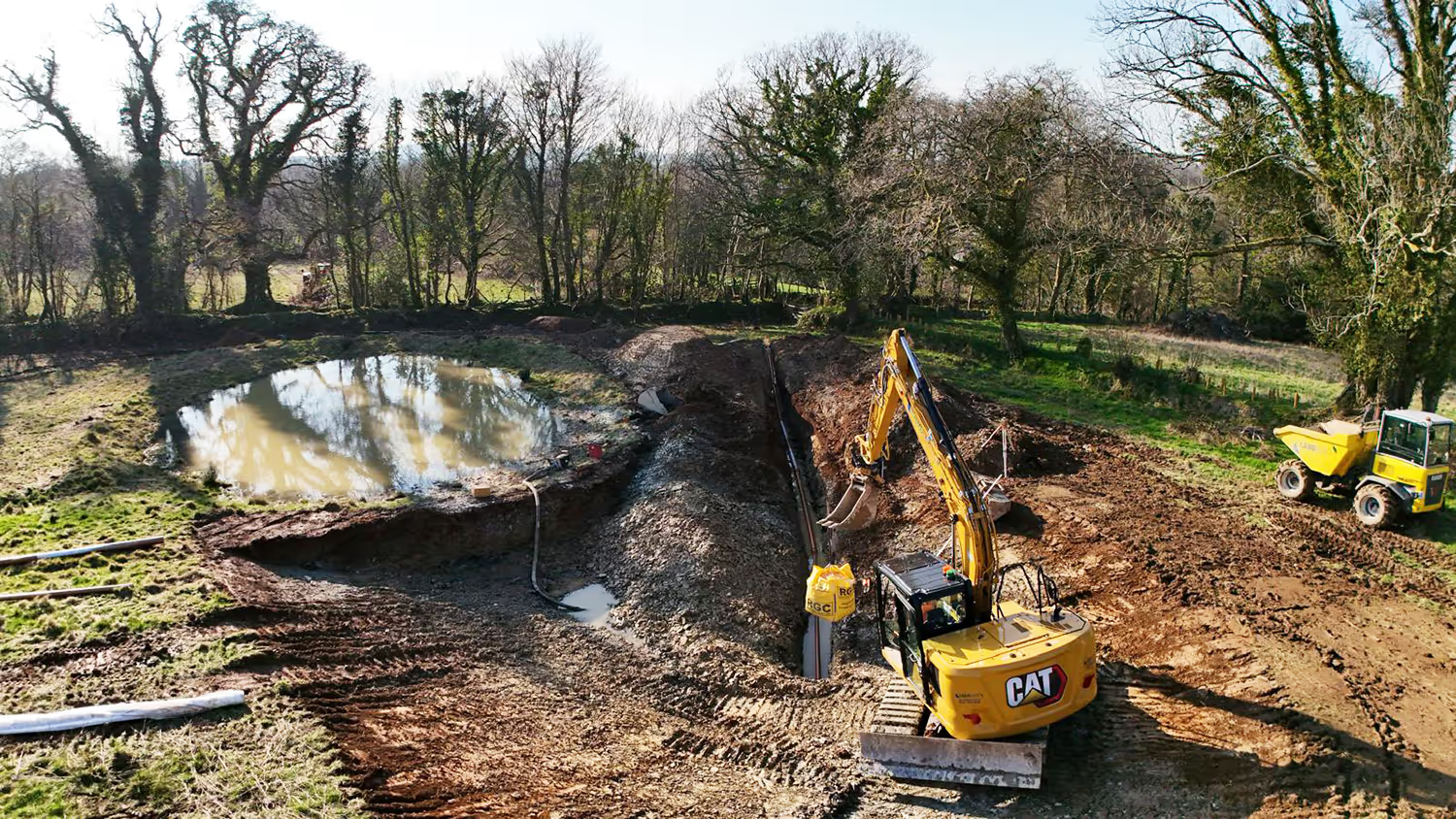
Ongoing three year (to date) regeneration of pasture and peri urban common to enahnce beauty, access, increase nature and concurrently reducing the impact of peak rainfall through a natural flood management design.

Early regeneration work is demonstrating how integrated land management can generate multiple forms of value. Natural flood management is improving water resilience, habitat creation is driving biodiversity uplift, and soil enhancement is strengthening long-term carbon performance. Alongside this, community use and partnership working are helping secure durable outcomes that support both ecological improvement and future revenue potential.

Enquire about this project
Biodiversity - uplift being created through ponds, natural succession and deadwood decay (ash), hedge planting, active management of meadows with grazing.
Water strategy - natural flood management scheme installed over three phases. Ponds and scrapes created. Water held in peak events increased by 850%.
Carbon benefits - enhanced soil functionality through grazing, track installation to reduce compaction, aeration and species rich grassland enhancement. Increased Soil Organic Matter.

Chrysalis is building a UK wide porftolio of under utilised and brown field land that unlocks the highest levels of nature and social value.

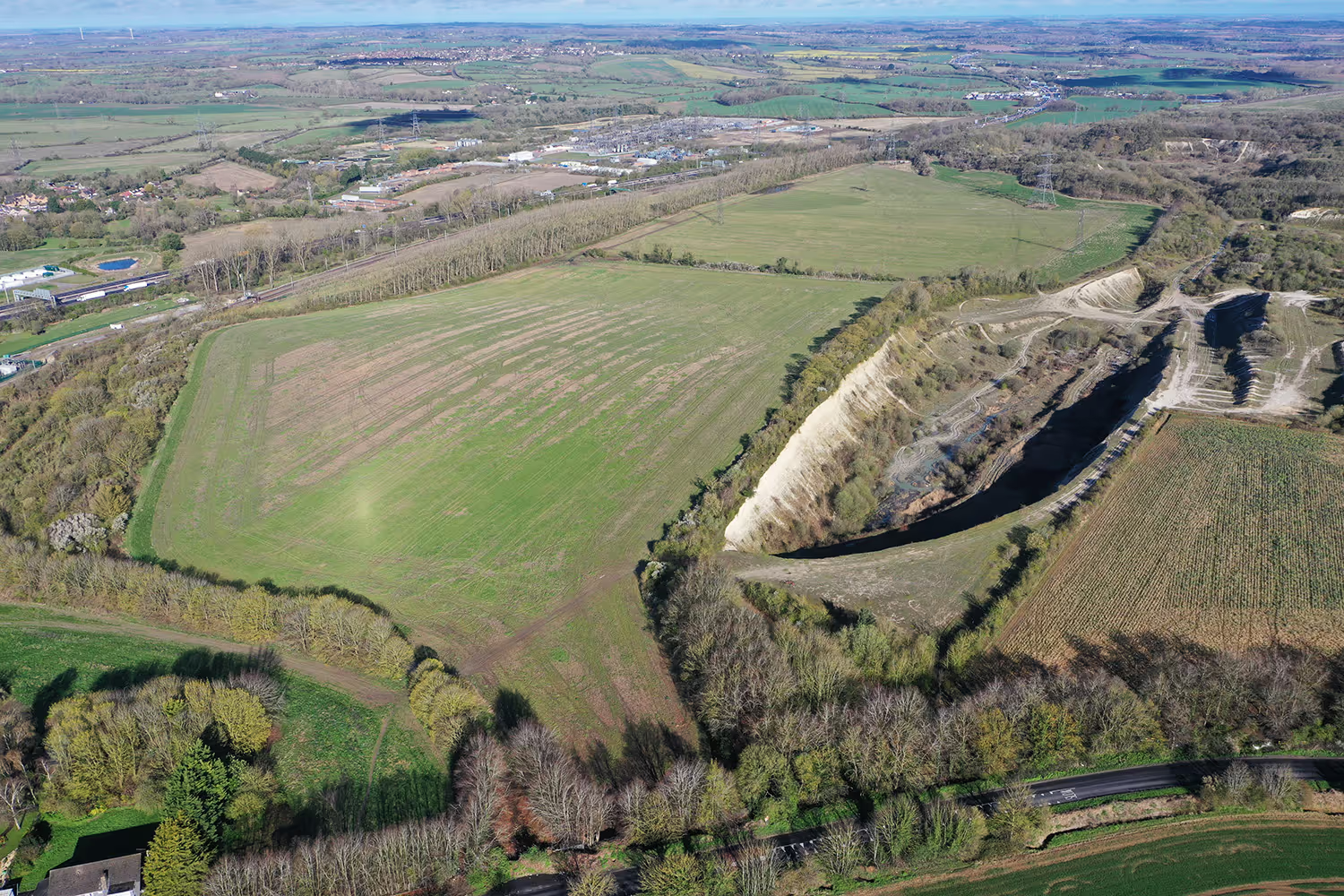
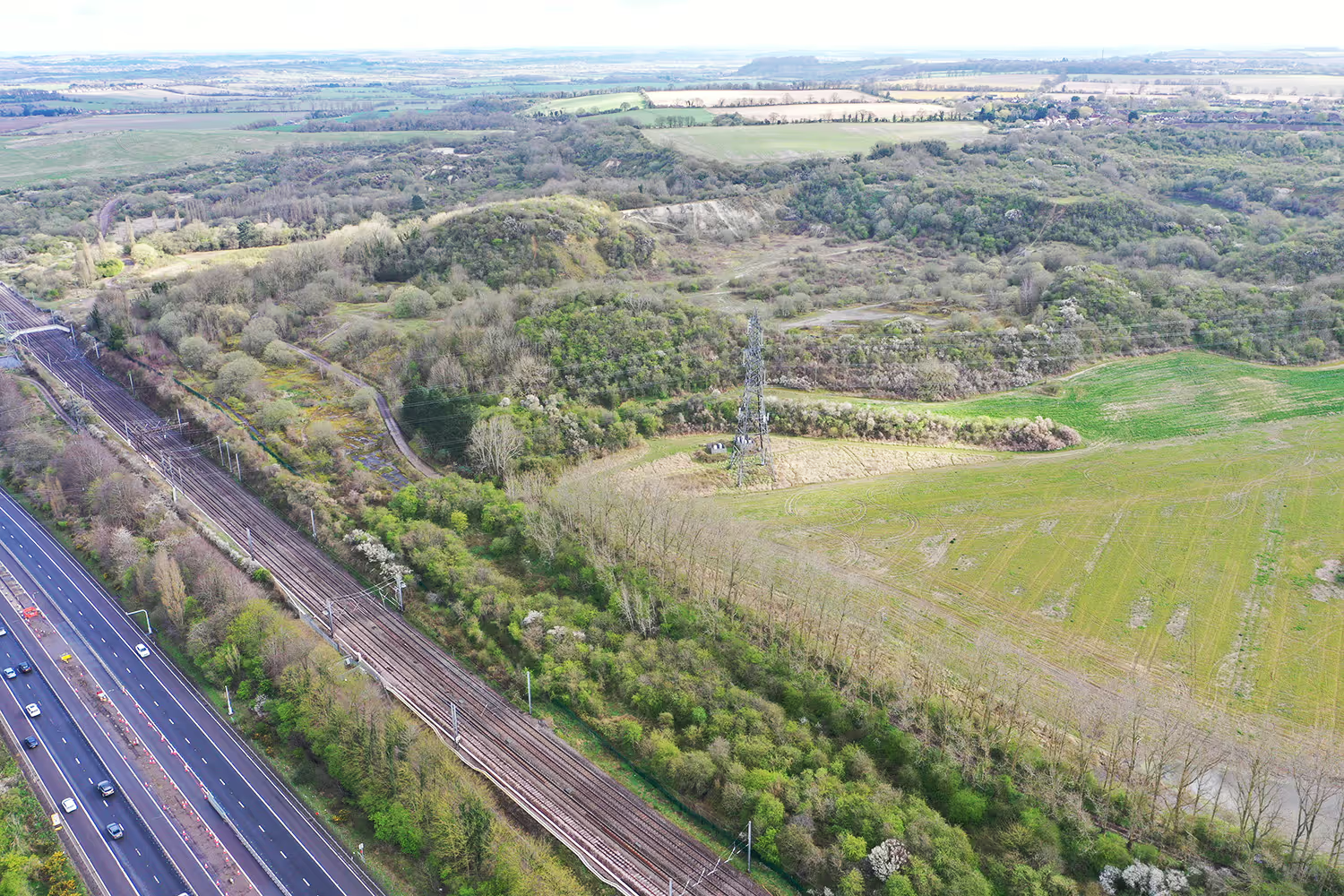
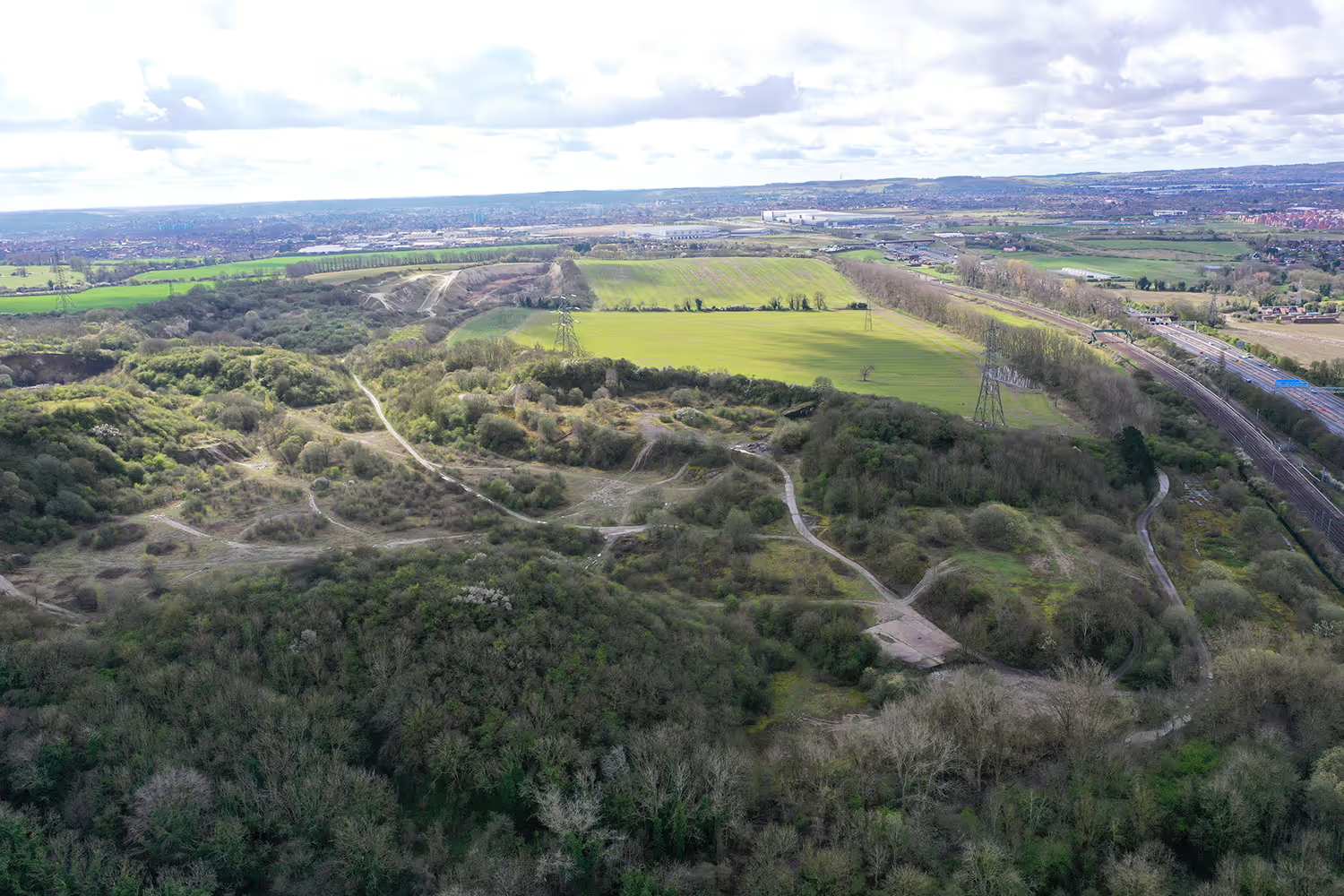
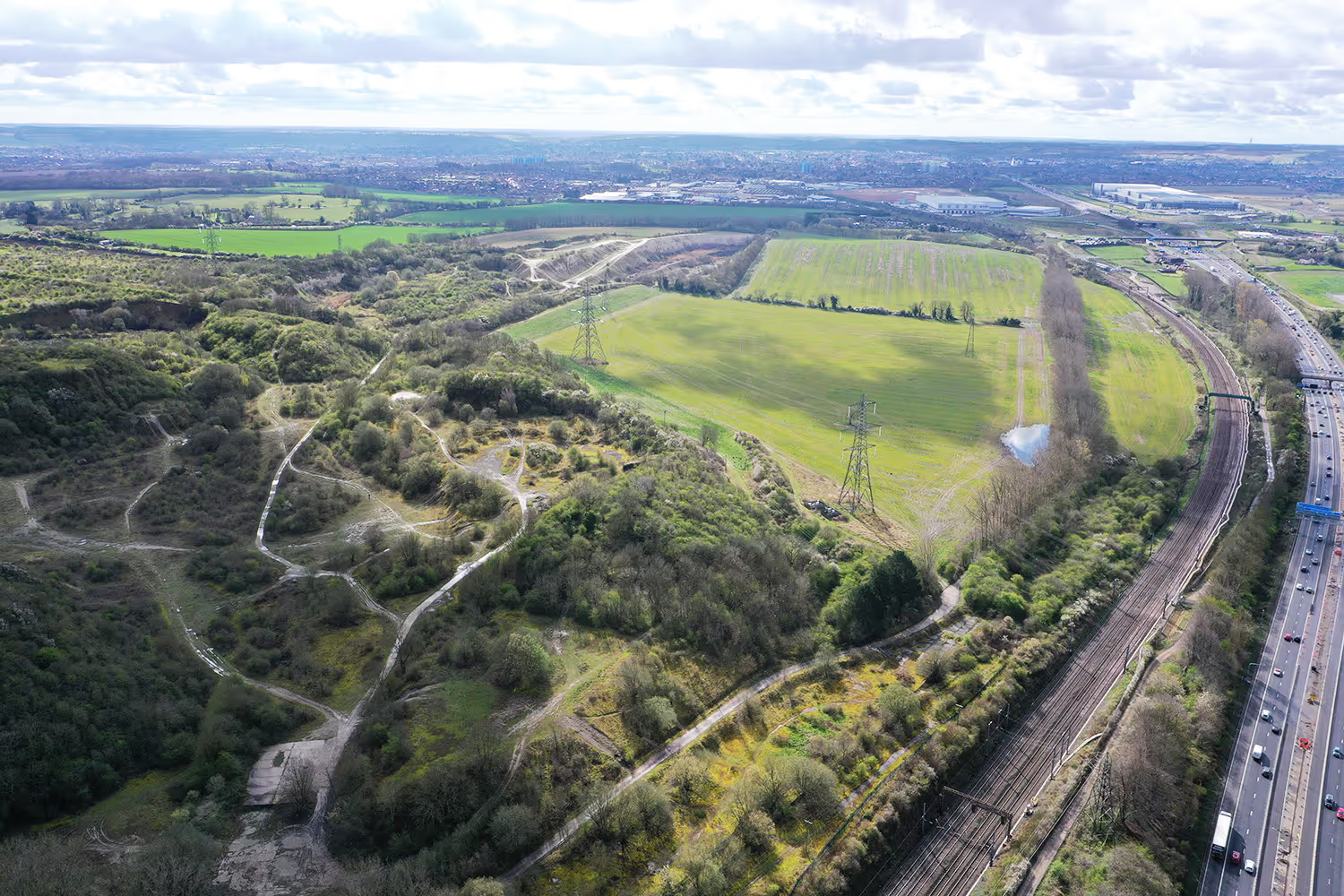
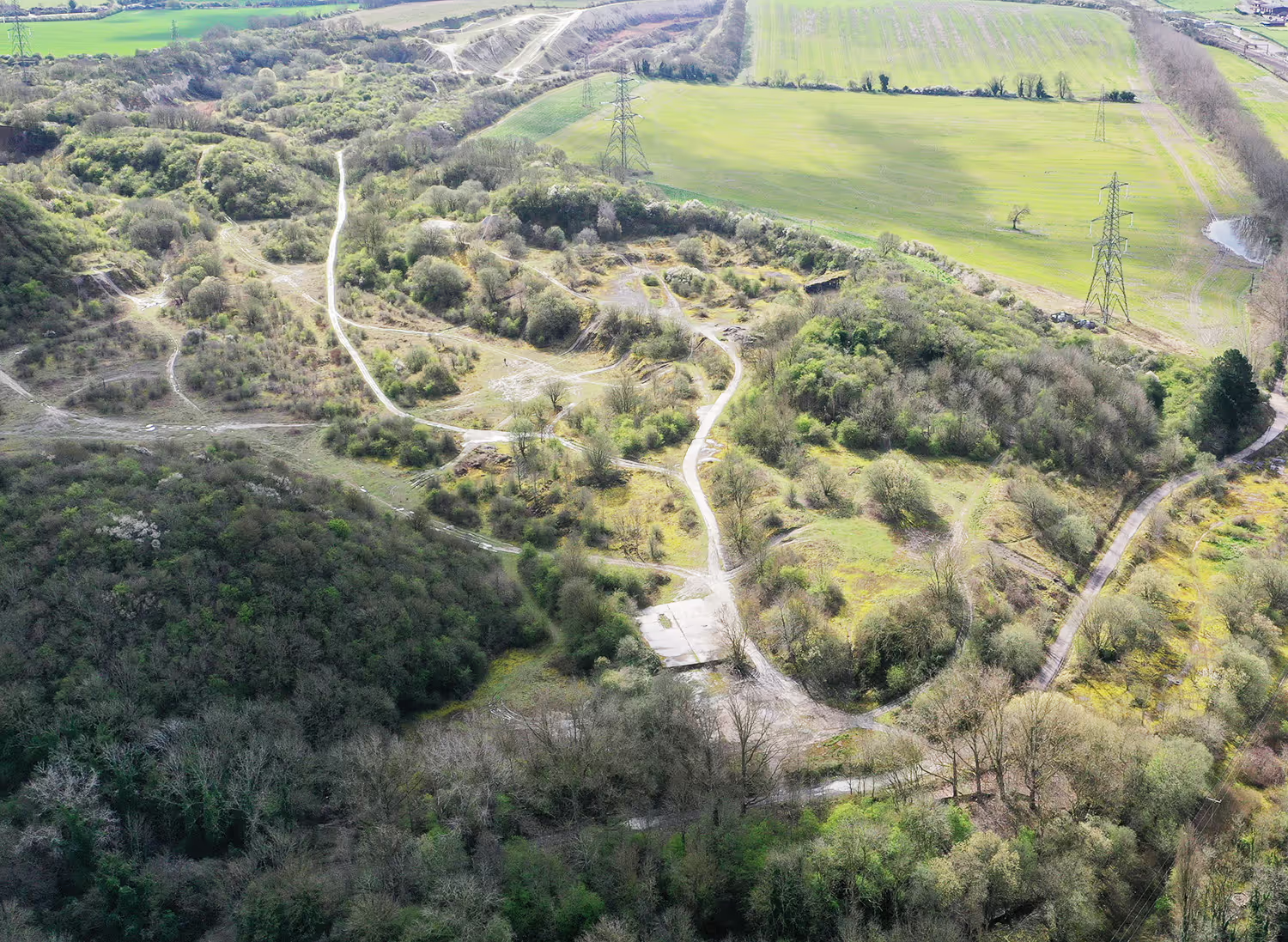
Sundon Quarry, Bedfordshire

Sundon Quarry is a large-scale regeneration opportunity, combining strategic land positioning with strong infrastructure connections. Located adjacent to major transport routes and grid infrastructure, the site benefits from existing planning allocation and access, creating a platform for integrated environmental improvement and long-term value creation.

The scale of the site allows for a coordinated approach to land management, delivering biodiversity, water, carbon and social outcomes alongside future development potential. Early-stage planning and site analysis indicate how regeneration can be aligned with infrastructure and market demand to create measurable environmental uplift and long-term economic value.

Start a conversation
Sundon Quarry, Bedfordshire
Biodiversity - Habitat creation and enhancement across the site, supporting Biodiversity Net Gain delivery and alignment with local nature recovery strategies.
Water strategy - Integrated water and flood management approach, reducing downstream risk and improving site resilience. Opportunity to deliver nature-based solutions at scale.
Carbon benefits - Carbon sequestration through habitat creation and soil improvement, supporting net zero objectives while enhancing long-term land productivity.
Energy opportunities - Proximity to major grid infrastructure provides potential for future energy generation and distribution, supporting low-carbon energy use and long-term value.
Built environment - Allocated development land supporting employment uses, including potential for data centre and related infrastructure, integrated with the wider regeneration strategy.